Spiders Alive at the Australian Museum in Sydney
Podcast: Play in new window | Download
Subscribe: Apple Podcasts | RSS
At the Spiders – Alive & Deadly exhibition, visitors explored the subterranean home of the ancient Tasmanian Cave Spider through augmented reality.
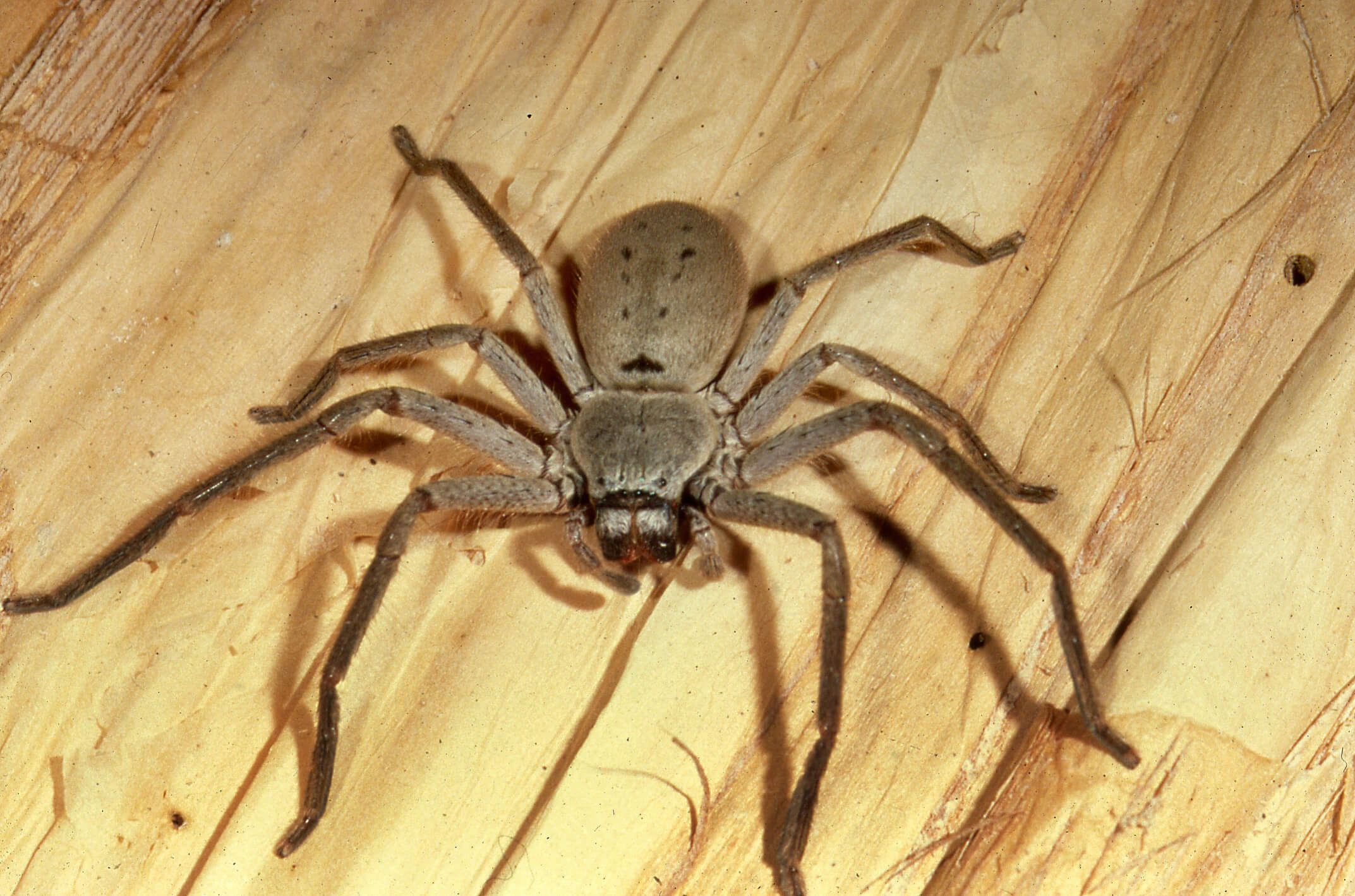
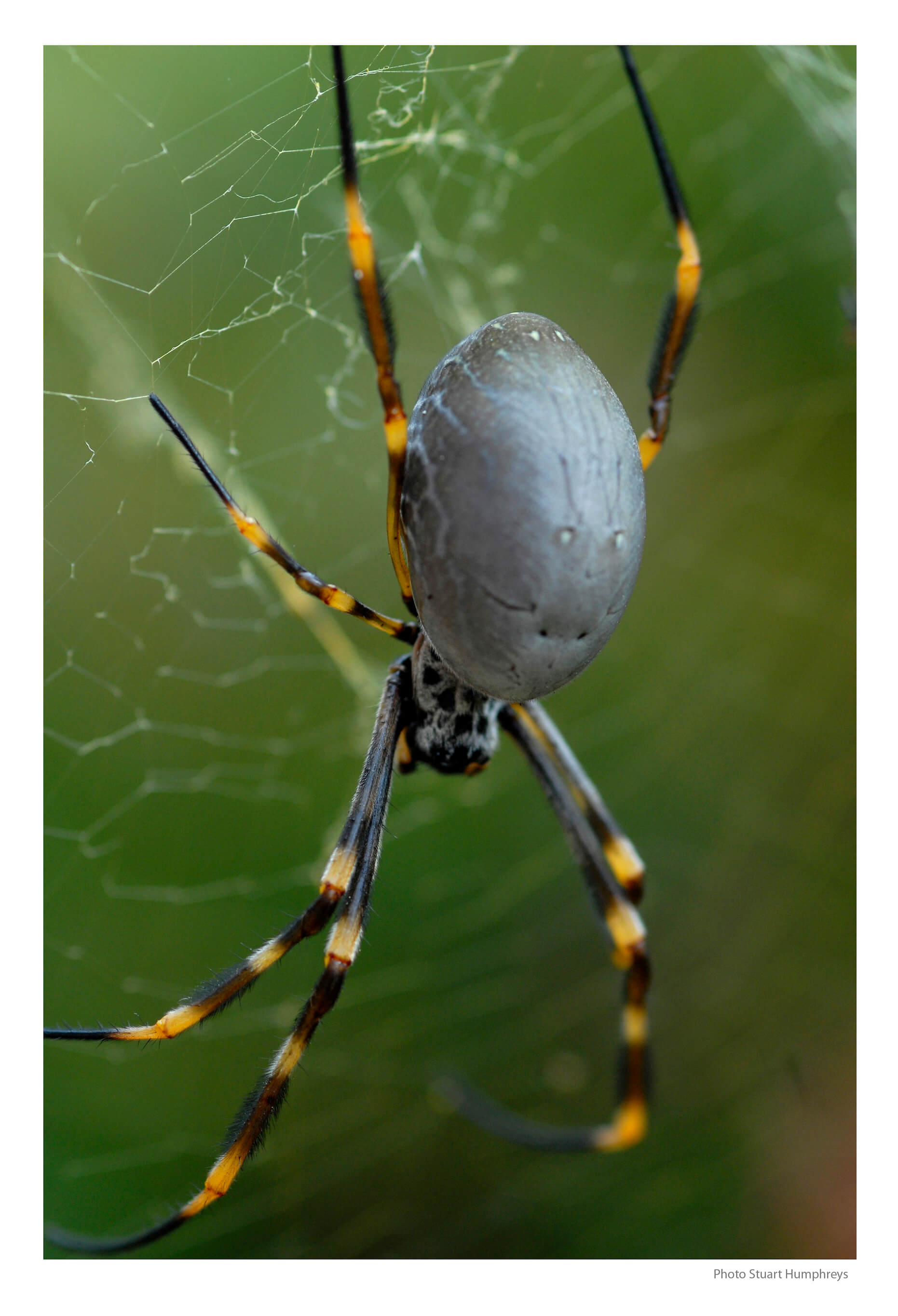
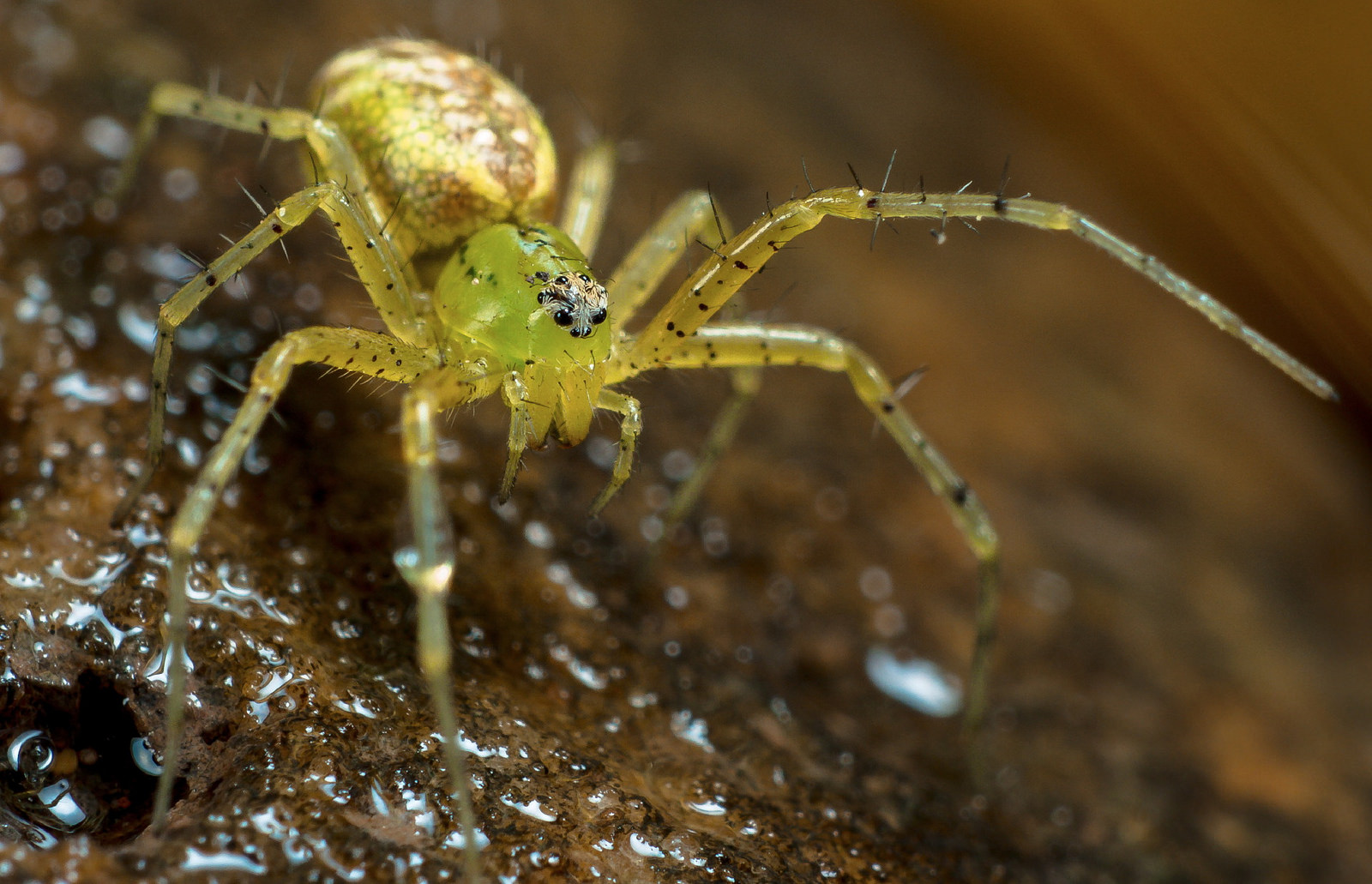
Visitors could also take part in a mating dance ritual with a Peacock Spider, experience the Golden Orb weaving spider and its huge webs in the cobweb room, and see groups of Australian Huntsman Spiders — the world’s only communal spider family — living together.
The exhibition also featured live venom-milking demonstrations conducted by Australian Museum experts in the Venom Lab.
Spiders – Alive & Deadly was a popular exhibition at the Australian Museum in Sydney, running from 29 October 2016 to 16 July 2017.
“The venom collected will be given to the venom databank at the University of Queensland — the largest venom databank in the world — where it will be utilised by medical researchers for potential pain medications and anti-cancer treatments,” the Director of the Australian Museum Research Institute said.
Breakthrough research on spider silk technology was also introduced to visitors.
Despite its gossamer appearance, spider silk ranks among the toughest and most durable materials in the world.
Possible applications include biodegradable fishing lines, medical sutures, and protective armour cloth.
From Spider-Man to Charlotte’s Web, spiders have inspired films, books, jewellery, tattoos, and clothing. Their evolutionary success in our ecosystem is just as fascinating.
“Spiders are unique and talented creatures that are capable of astonishing things,” the exhibition curator said. “They inhabit every continent except Antarctica and are able to survive in environments that range from deserts to rainforests to our crowded cities.
They can climb trees, survive falls, swim, parachute, spin webs, and can even give up a limb when in danger and grow it back.”
“In the spider world of ‘eat or be eaten,’ visitors are encouraged to marvel at the clever techniques used by predators of all sizes. These include defensive mechanisms such as mimicry and noise-making, as well as hunting techniques including ambush, suffocation, camouflage, super senses, and cannibalism,” the exhibition curator said.
One of the most memorable moments came inside the spider chamber, where the web-building action was happening just centimetres away — close enough to see the spiders at work in extraordinary detail.
After the exhibition, the episode moves from the museum back into the surrounding Sydney streets, continuing the story through Hyde Park and the city around the Australian Museum.
Spiders – Alive & Deadly was held at the Australian Museum in Sydney from 29 October 2016 to 16 July 2017.
http://australianmuseum.net.au/landing/spiders-alive-and-deadly/
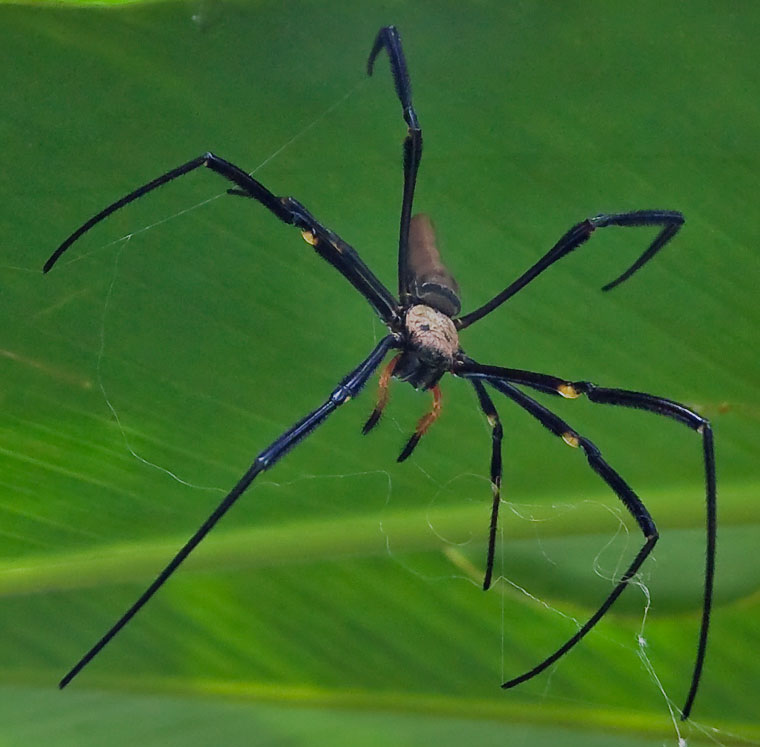
This archived EATT podcast episode explores the Spiders – Alive & Deadly exhibition at the Australian Museum, along with stories about science, travel, and cultural discovery.
How spiders may respond to weather changes
Some spiders may respond to changes in weather and humidity. After rain or before wet weather, webs may appear higher, denser, or more heavily spun than usual.
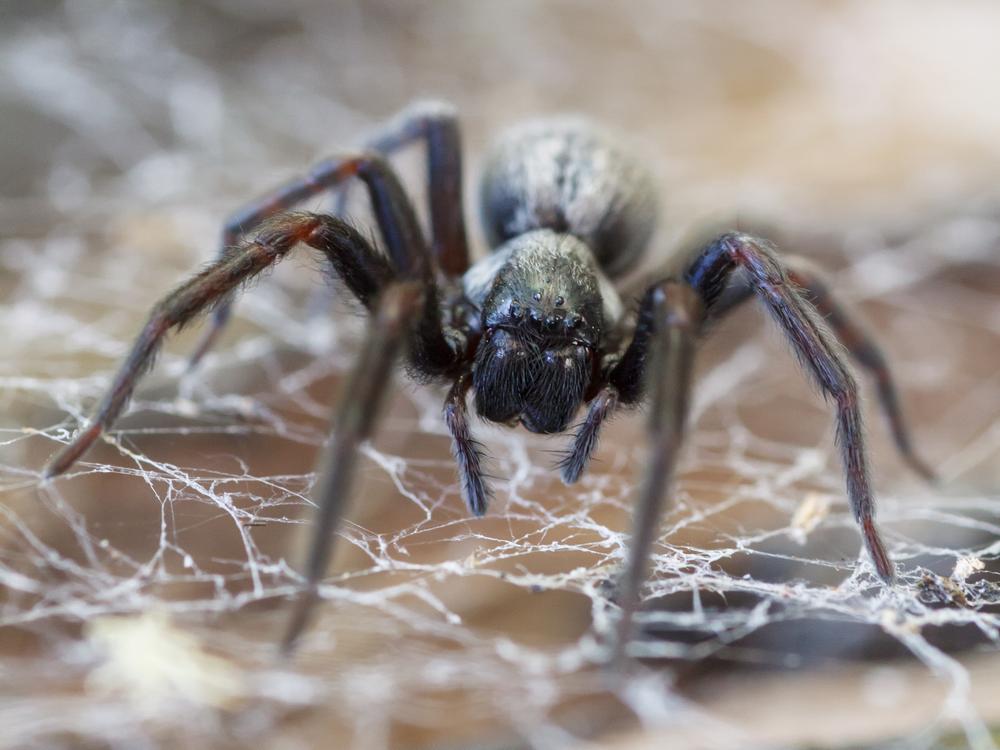
Huntsman spiders are also often noticed higher on walls, ceilings, sheds, and sheltered outdoor areas during changes in weather.
Some observers suggest that daily web-building spiders may construct smaller or altered webs when wet weather is approaching.
Thanks for listening.